*Call to the Portuguese national landline network
- Vila do Conde: Mon to Fri 8.30am to 8pm, Sat 8am to 1pm
*Call to the Portuguese national landline network
*Call to the Portuguese national landline network
*Call to the Portuguese national landline network
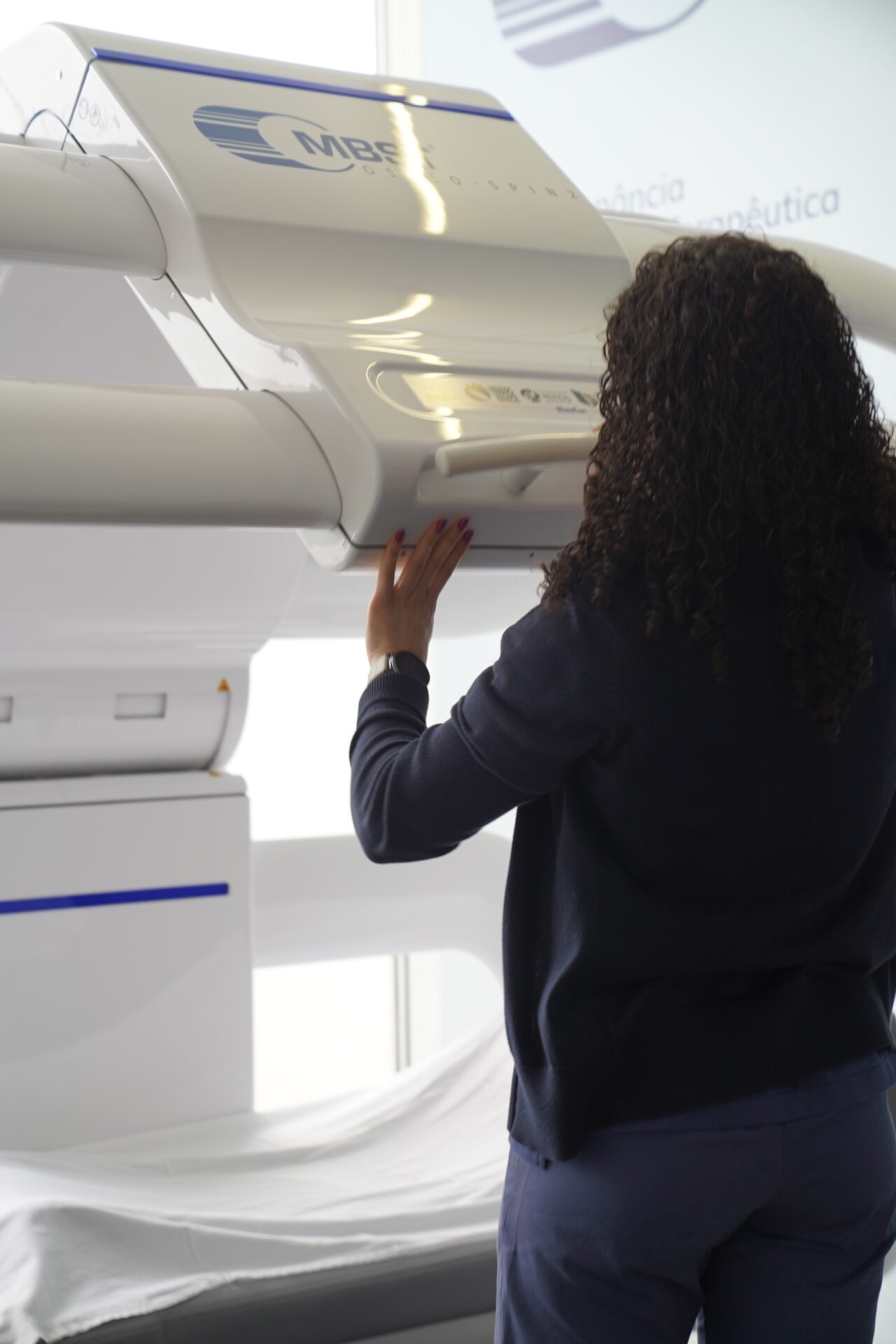
MBST is a non-invasive treatment that applies low-intensity magnetic resonance energy to joints, bone and soft tissue. It is used for specific conditions, such as osteoarthritis and osteoporosis, always after an individual clinical assessment, and results vary from person to person.
In short
MBST therapy applies low-intensity nuclear magnetic resonance energy directly to the target tissue, with the aim of stimulating metabolic processes at cell level. Unlike a conventional MRI scan, which produces images, an MBST device transfers energy into the cells, supporting proteoglycan synthesis in cartilage, bone metabolism and soft-tissue repair.
The physical principle is therapeutic magnetic resonance: hydrogen protons within the cells are excited by a controlled electromagnetic field, prompting biochemical reactions that are impaired in degenerative conditions.
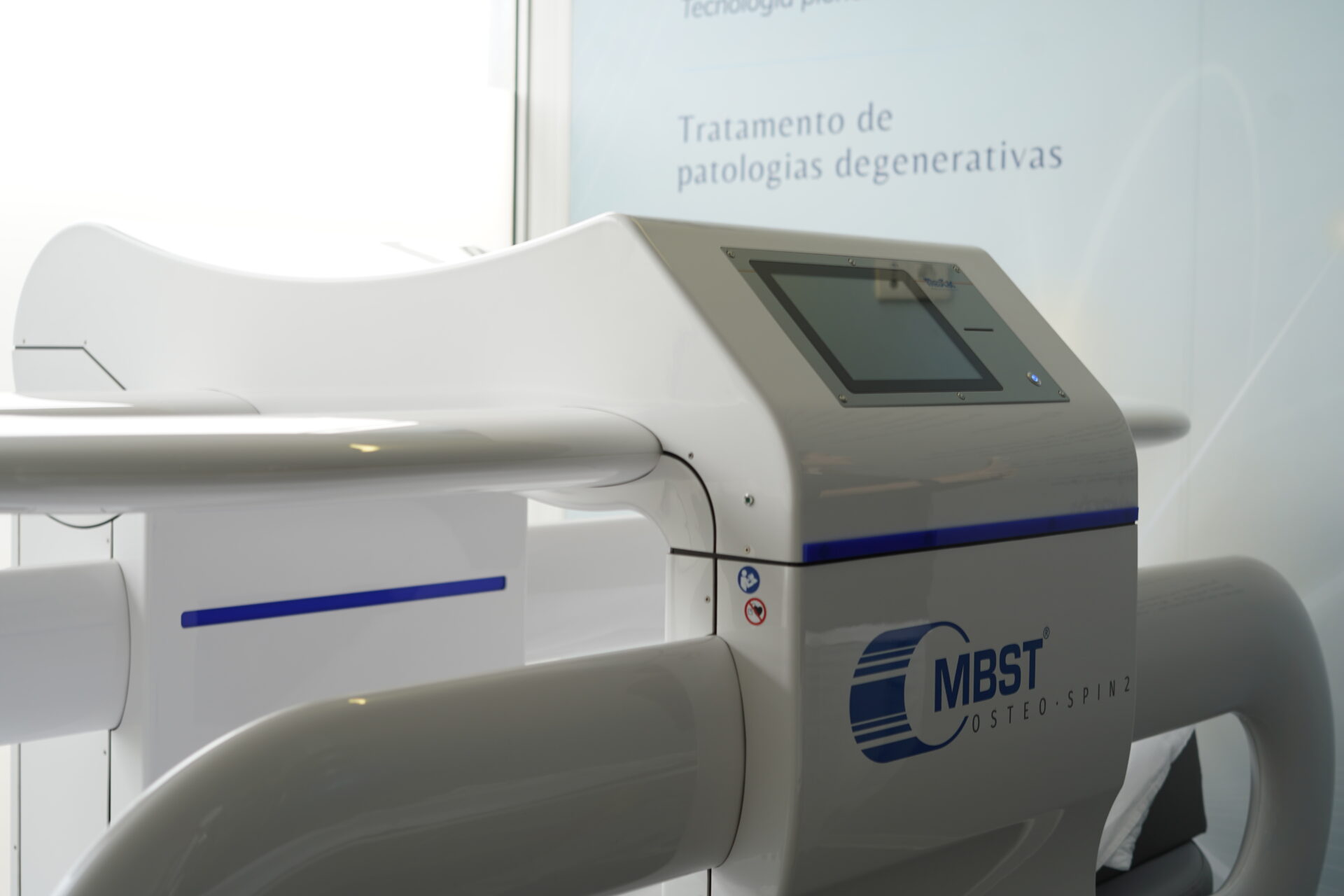
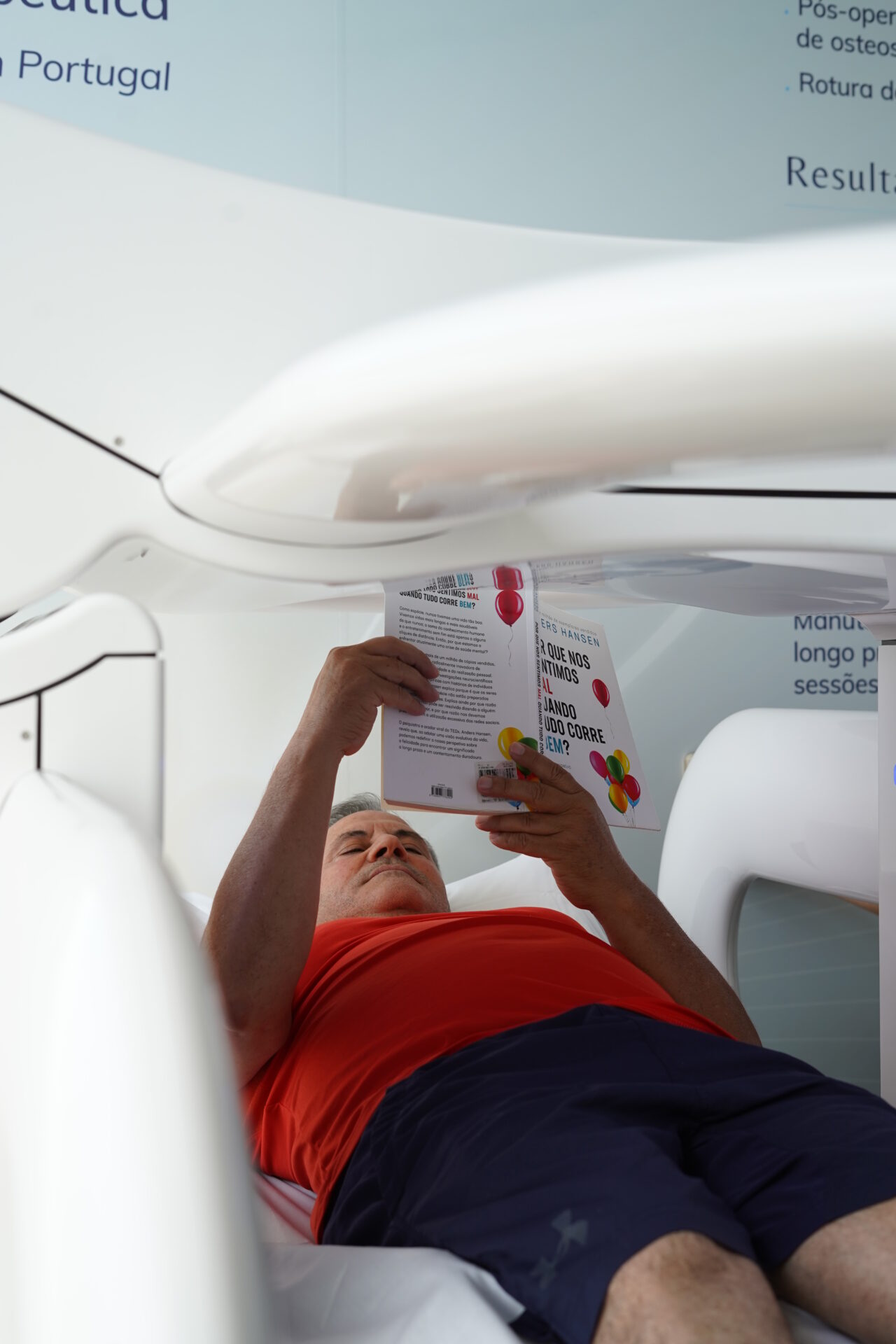
You lie or sit comfortably throughout.
Each session lasts 60 minutes.
No pain, no injections and no anaesthetic.
No recovery time: you carry on with your day.
MBST therapy is not a universal solution. It is used for specific conditions, and always on the basis of an individual clinical assessment.
Of the knee, hip and spine. The aim is to reduce pain and improve joint function where cartilage has worn.
Used to help relieve pain and support the disc tissue, alongside a spine rehabilitation plan.
Used to stimulate bone metabolism, as part of a plan to help limit further loss of bone mass.
Used to support tendon repair in cases of persistent pain.
Used to improve quality of life in long-standing cases.
Worth saying clearly
MBST therapy does not replace a medical assessment, and it does not produce the same result in every patient.
An additional therapeutic window, not a promise.
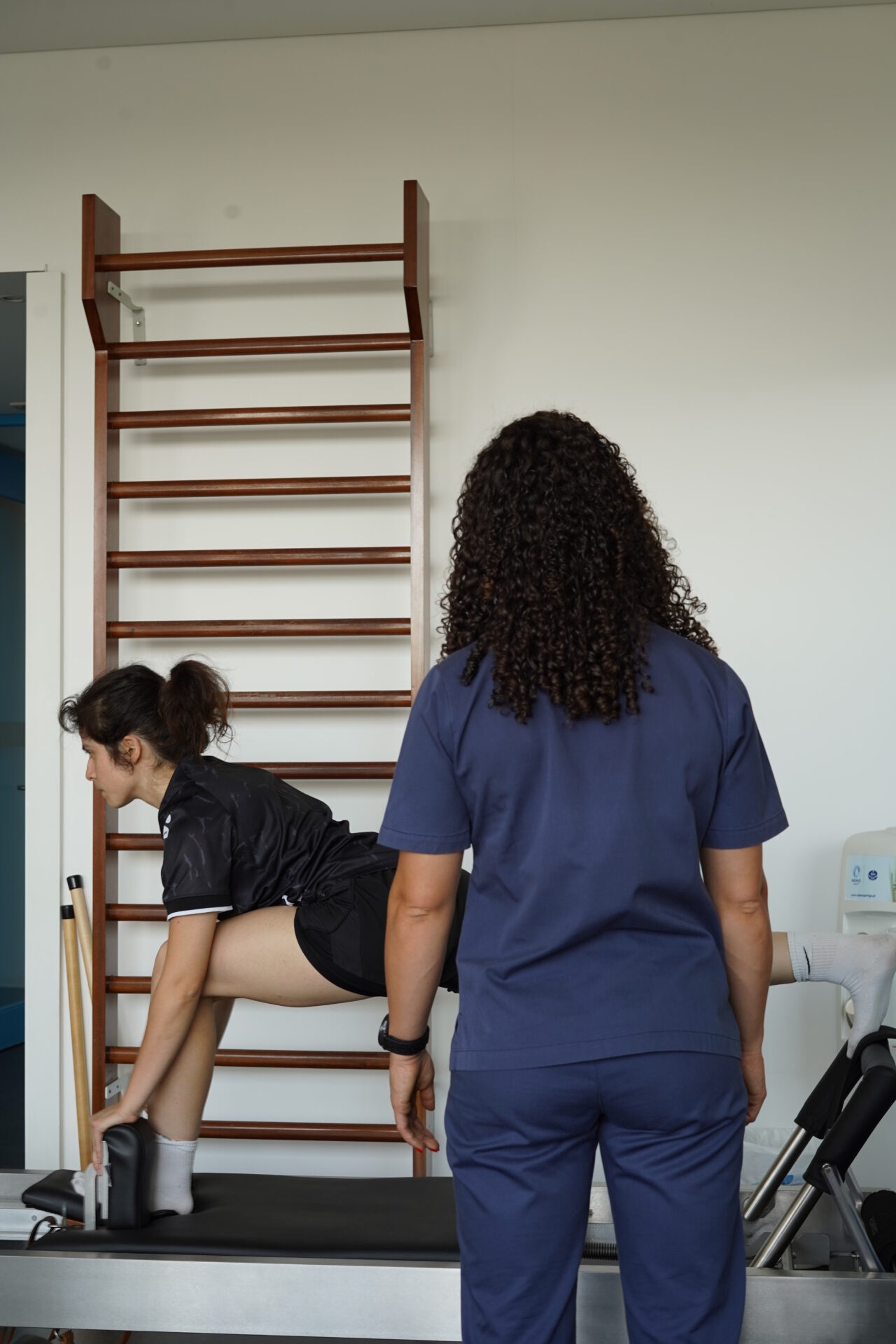
In many cases of advanced osteoarthritis or disc herniation, there are conservative approaches worth exploring before surgery is considered. MBST therapy is one of them. It is non-invasive, requires no anaesthetic and no hospital recovery time, and it can be combined with the other advanced physiotherapy available at the clinic: high-power laser, focused shockwave therapy and physical rehabilitation sessions.
This does not mean surgery is unnecessary in every case. The value of MBST therapy is that it opens an additional therapeutic window, particularly for people who would prefer to postpone or avoid surgery, and for those who have already had surgery and are looking for intensive rehabilitation in Portugal.
The length of a protocol depends on the condition being treated and on how each patient responds. As a general rule, the most common protocols involve between 5 and 10 sessions, held on consecutive days or at short intervals.
The effects are not immediate in every case. Many patients report gradual improvement over the weeks that follow, as the stimulated cellular processes take effect.
Results vary from person to person. There are no guarantees, only a commitment to bring all of our clinical knowledge and technology to bear on each case.
Portugal has become an established destination for patients travelling from the United Kingdom, Ireland, Germany, France, Belgium, the Netherlands, Luxembourg, Switzerland and the United States. Sentir Saúde, in Vila do Conde in the Greater Porto area, brings together several things that make this practical:
Read the most common questions about Premium Recovery.
Yes. MBST technology has research published in indexed scientific journals, including studies on joint cartilage, bone metabolism and chronic musculoskeletal pain. Many of these studies are small, which is why every case starts with an assessment.
No, it is painless and non-invasive. You stay lying down or seated throughout, with no discomfort from the device itself. Side effects reported in the literature are rare and generally mild, such as a passing sense of tiredness or slight local discomfort during the first sessions.
There are contraindications, which the clinician assesses before starting a protocol. In general terms, pacemakers, metal implants in certain locations and pregnancy call for careful assessment beforehand.
Yes, and it often is. At Sentir Saúde, MBST therapy is usually part of a rehabilitation plan that may include advanced physiotherapy, therapeutic exercise and other technology available at the clinic, depending on what each patient needs.
For many international patients the answer has been yes. The Premium Recovery programme at Sentir Saúde was designed precisely for people travelling from abroad.
Knee osteoarthritis is one of the indications with the largest body of clinical research behind MBST therapy. The treatment aims to support the joint cartilage and reduce inflammation, helping to lessen pain and improve mobility. As with any treatment, the response varies.
If you have read this far, you are probably looking for a concrete answer to a health problem that has been going on for some time, perhaps after seeing several professionals. That is exactly the kind of case Sentir Saúde exists for. Book an assessment in person at our clinic in Vila do Conde, or by video call.
Avenida de Portas Fronhas 300, 4480-004 Vila do Conde, Portugal · geral@sentirsaude.pt
This article is for information only and does not replace an individual clinical assessment or the advice of your own doctor. Results of MBST therapy vary from person to person and are not guaranteed.